60-day prescriptions: who can get one and what they save
Published
If you have a stable, ongoing condition and take a medicine on the PBS's 60-day list, your doctor can write a script for two months' supply at once. You pay one co-payment instead of two, which saves up to $150 a year per medicine, or $46.20 with a concession card (from 1 January 2026).
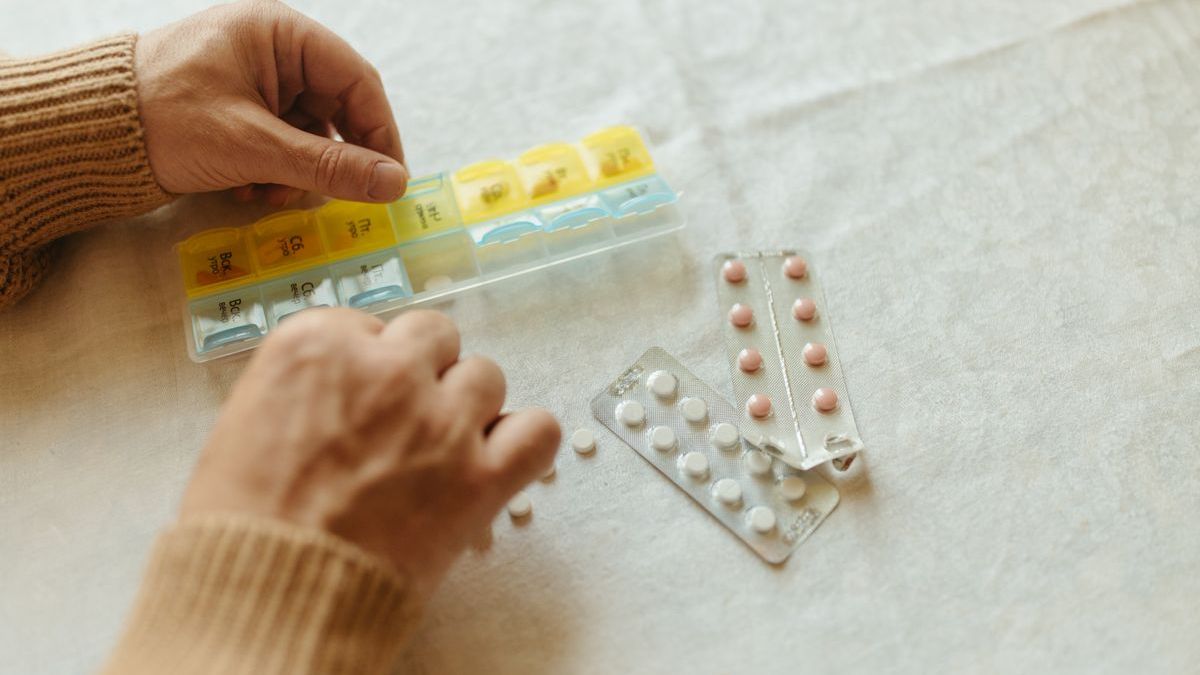
What is a 60-day prescription?
A 60-day prescription lets you get twice as much of a PBS medicine on one script: two months’ supply instead of one. You pay one co-payment for it, so you pay less over the year and make half as many trips to the pharmacy for that medicine.
Only medicines on the PBS’s 60-day list can be prescribed this way. The Pharmaceutical Benefits Advisory Committee reviews the list from time to time, and more medicines can be added after each review.
Who can get one?
To get a 60-day prescription, you must:
- live with a stable, ongoing health condition
- have discussed your medicine with your prescriber and been assessed as suitable
- have a new 60-day prescription.
You don’t need a concession card. Your prescriber (a doctor, nurse practitioner or optometrist) decides whether a 60-day supply suits you and how much medicine to prescribe. An existing 30-day script stays a 30-day script, so ask about a 60-day one at your next appointment.
Which medicines are on the list?
The PBS’s 60-day list shows every medicine and strength that can be prescribed for 60 days, searchable by name. It includes many medicines taken long term, such as atorvastatin, amlodipine, apixaban and alendronate.
Medicines in short supply aren’t considered for the list until the shortage is resolved. Because you get the same amount of medicine over a year, only in fewer and larger supplies, 60-day scripts don’t cause shortages.
How much does it save?
The most you pay for a PBS script in 2026 is $25, or $7.70 with a concession card. A 60-day script halves the number of co-payments for that medicine, so it saves up to:
| Saving a year, per medicine | |
|---|---|
| General patients | $150.00 |
| Concession card holders | $46.20 |
These are the savings for a medicine that costs the full co-payment, taken all year. You’ll save less in two cases:
- The medicine costs less than the co-payment. Pharmacies set their own price for these. A 60-day supply is usually cheaper than two 30-day supplies, but where a pharmacy discounts 30-day scripts heavily, the two can cost the same.
- Your brand carries a brand premium. A 60-day supply of that brand costs two premiums, one for each pack. A brand without a premium avoids them.
Saving on co-payments can also mean you reach the PBS Safety Net later in the year, or not at all. There’s more on co-payments, brand premiums and the Safety Net in what a PBS prescription costs in 2026.
How do I get one?
Ask your GP, nurse practitioner or optometrist at your next appointment whether any of your medicines can be prescribed for 60 days, and whether you’re suitable. Then fill the script at any pharmacy, as you would any other. To compare prices on medicines that cost less than the co-payment, find pharmacies near you or browse pharmacies by state and ask.
Questions
Do I need a concession card for a 60-day script?
No. Anyone with a Medicare card can get one, if their prescriber assesses them as suitable and the medicine is on the 60-day list.
Can my pharmacist change my 30-day script to 60 days?
No. You need a new 60-day script from your prescriber, who decides how much medicine is right for you.
Do 60-day scripts cause medicine shortages?
No. You get the same amount of medicine over a year, just in fewer trips. A medicine in short supply isn't considered for the 60-day list until the shortage is resolved.
Will a 60-day script affect my Safety Net?
It can. Spending less on scripts means you may reach the PBS Safety Net later in the year, or not at all.
Sources
- Eligibility for 60-day prescriptions (Department of Health, Disability and Ageing)
- 60-day prescriptions: PBS medicines and item codes (PBS)
- PBS co-payments (Department of Health, Disability and Ageing)
- Price of PBS prescriptions, 30-day v 60-day: fact sheet (Department of Health, Disability and Ageing)
- PBS Safety Net and cost savings (Department of Health, Disability and Ageing)
- Prescribers (Department of Health, Disability and Ageing)
This is general information, not medical advice. Ask your pharmacist or doctor about your own situation. In an emergency, call 000.
Find a pharmacy
Pharmacies near meMore guides
How eScripts and the Active Script List work
An eScript arrives as a token by SMS or email, and you can fill it at any pharmacy. How tokens, repeats and the Active Script List work.
Published

What a PBS prescription costs in 2026
From 1 January 2026 a PBS script costs at most $25, or $7.70 with a concession card. How the Safety Net, brand premiums and private scripts change that.
Updated

Generic medicines in Australia, and when to choose one
A generic has the same active ingredient as the original brand and must be absorbed the same way. Why some brands cost more, and when your pharmacist can swap.
Updated